Games for development and learning
The combination of games for development and learning has created a new educational environment where entertainment and education coexist. Through the use of innovative technologies, interactive design, and personalized experiences, children and teenagers can now learn essential skills while having fun.

Tech Tools for Education
The rise of digital technology in education has redefined the way knowledge is delivered. Tablets, smartphones, and interactive whiteboards provide access to a wide range of tools that make studying engaging and effective. For example, modern apps and platforms use gamification — a technique that turns learning into a playful process, boosting motivation and long-term memory retention.
Furthermore, educational games for children help develop creativity, logical thinking, and problem-solving skills. By participating in virtual adventures, solving puzzles, and completing challenges, kids absorb information and learn how to apply it in real-life situations.
The Evolution of Game-Based Learning
From traditional puzzles and board games that build logic to immersive 3D simulations, the evolution of educational entertainment shows how technology enhances intellectual growth. Modern developers focus on integrating storytelling and real-time feedback, allowing players to learn through experimentation and exploration.
At the same time, online games for development and learning offer accessibility and inclusivity. Children from different countries and backgrounds can connect, collaborate, and compete in a safe digital environment. This social element supports teamwork, communication, and cultural awareness.
The Role of Digitalization and Its Advantages
The expansion of the role of digitalization and its advantages educational apps lies in their flexibility and personalization. Such apps can adapt to each child’s learning pace, identify weaknesses, and offer custom exercises for improvement. Parents and teachers can track progress through analytical tools and reports, ensuring that learning remains efficient and engaging.
Digitalization also supports early education by providing gamified methods that enhance Cognitive Development from an early age. These technologies make learning more accessible, especially in remote or under-resourced areas, bridging the educational gap between different social groups.
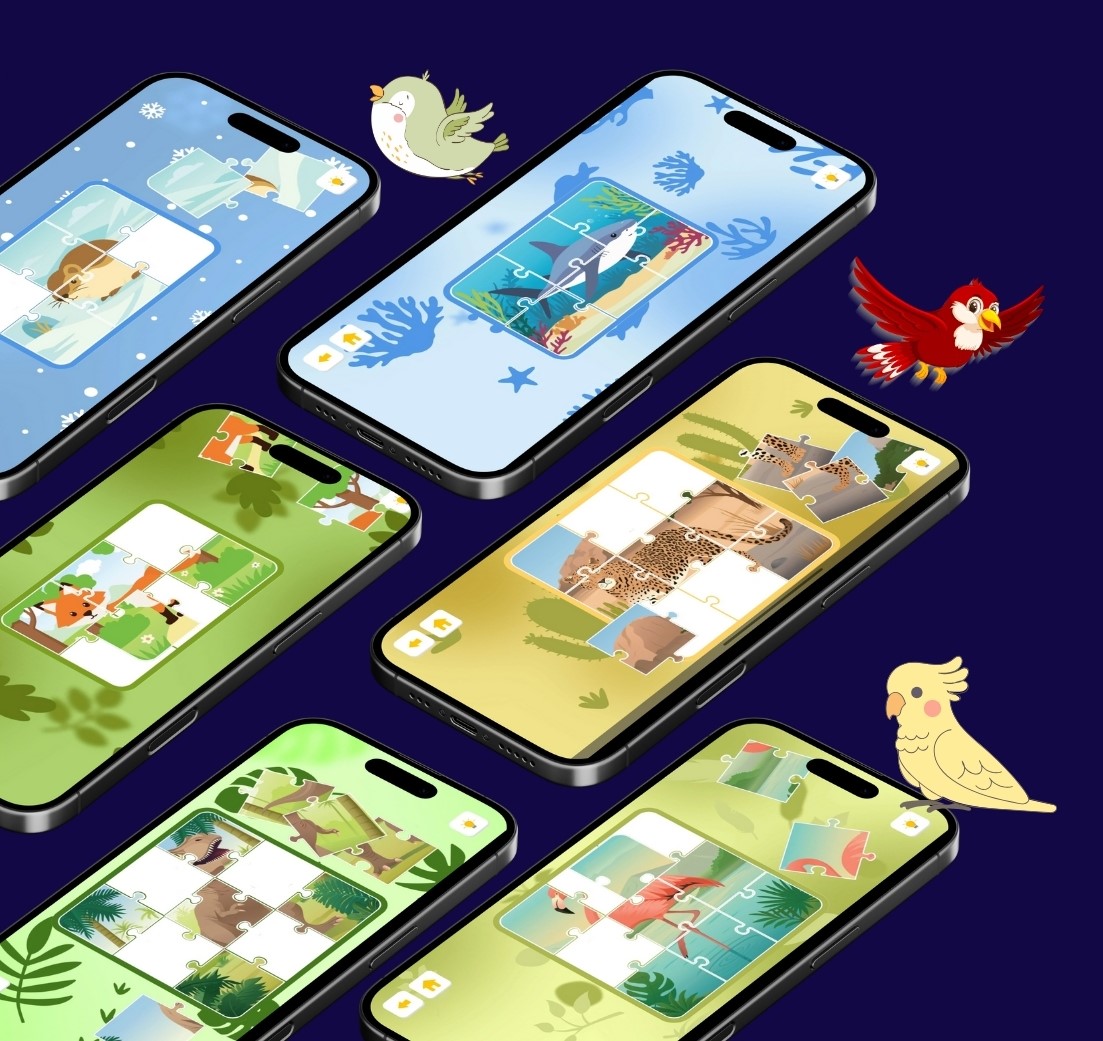
One great example of this approach is Kids Creative Puzzle — an interactive mobile application that combines learning with creativity. It helps children enhance attention, spatial thinking, and logical reasoning through colourful puzzles and engaging design. Kids can assemble animal figures, explore patterns, and experiment with shapes — all while developing focus and patience. This app demonstrates how digital tools can transform playtime into a valuable learning experience that supports early development and Cognitive Development.


Smart and digital learning in the future
As technology continues to evolve, educational games will become even more immersive and effective. The blend of play and learning allows children to develop essential life skills naturally. With the help of digital platforms, the future of learning promises not just efficiency but also creativity, and joy in every learning experience.